Post-traumatic stress disorder (PTSD) is a trauma-related mental health condition that can develop after experiencing or witnessing a frightening, violent, or life-threatening event. Symptoms may include intrusive memories, hypervigilance, avoidance, emotional numbness, and difficulty regulating stress, often persisting long after the trauma itself. The National Institute of Mental Health (NIMH) explains that PTSD can significantly disrupt daily functioning if left untreated, but recovery is possible with structured, evidence-based care. Effective treatment focuses on restoring a sense of safety, processing traumatic experiences gradually, and building coping skills that support long-term stability through specialized PTSD treatment programs.
In West Palm Beach and throughout Palm Beach County, adults seek PTSD care when trauma symptoms begin to interfere with work, relationships, or personal well-being. People living in nearby communities such as Lake Worth Beach, Boynton Beach, Delray Beach, Wellington, Greenacres, and Royal Palm Beach may carry unresolved trauma related to accidents, violence, military service, loss, or chronic stress. Local access to trauma-informed treatment allows individuals to remain connected to their support systems while receiving consistent clinical care. Because PTSD often overlaps with anxiety, depression, or substance use, many individuals benefit from a broader approach that includes comprehensive mental health treatment tailored to co-occurring needs.
We Level Up Palm Beach provides professional PTSD treatment for adults in a safe, structured setting. The facility is licensed by the Florida Agency for Health Care Administration (AHCA) and follows Florida’s standards for mental health services. Located at 310 10th St, West Palm Beach, FL 33401, the center offers individualized care planning, trauma-informed therapy, and ongoing clinical support. Help is available 24/7 by phone at (561) 944-7447, and additional details about available services can be found through the center’s broader therapy programs, supporting adults at every stage of recovery.
Table of Contents
Get Help. Feel Better. Break-Free.
Premier Accredited Dual Diagnosis Mental Health Centers Near You
No matter past therapy challenges, our dedicated therapists provide unwavering support. Our compassionate behavioral health specialists are committed to standing by your side through it all. When you are prepared to take the next step or want guidance on counseling to transform your life, reach out. We will help guide you to the resources you need for support. There is no pressure or obligation. Call our confidential hotline today.
FREE 24/7 Dual Diagnosis Mental Health Therapy Helpline
PTSD Treatment in West Palm Beach, Florida
PTSD is a mental health condition that can happen after someone goes through or sees a very stressful or scary event. This can include accidents, violence, abuse, war, disasters, or loss of a loved one. Some people get better over time, but others continue to feel strong symptoms that affect daily life. At We Level Up Palm Beach FL, we provide PTSD therapy in West Palm Beach FL using proven treatment methods.
Our team includes trained therapists, doctors, and mental health staff who work together to help each person heal. According to the Florida Department of Health Palm Beach County Community Health Assessment, about 9.2% of adults in Palm Beach County reported poor mental health on 14 or more days in one month. This shows a real need for mental health care in the area.
PTSD is not a weakness. It is a medical condition that affects how the brain and body respond to stress. With the right care, people can feel better and live a healthy life again.
Healing in a Supportive Community
West Palm Beach is a calm place that can help people heal from PTSD. It has good hospitals and quiet places that support recovery. People can get care close to home at St. Mary’s Medical Center, Good Samaritan Medical Center, and Palm Beach Children’s Hospital. These hospitals help people get medical support when they need it.
The city also has many safe and friendly neighborhoods. Places like El Cid, Flamingo Park, and Northwood Village feel peaceful and welcoming. These areas help people feel more relaxed and supported during recovery. Downtown West Palm Beach also adds to daily life with active spaces like Clematis Street, where people can walk, eat, and spend time outside in a social setting.
There are also quiet outdoor spaces that help with stress. These include the Intracoastal Waterway, Okeeheelee Park, and Grassy Waters Preserve. These places give people space to rest and clear their minds. All of these hospitals, neighborhoods, and parks help create a safe and supportive place for healing.
PTSD Statistics
PTSD can develop following a traumatic event. You witness or experience a traumatic incident that is upsetting and harmful. You may feel that your life or the lives of others are in jeopardy during an incident of this nature.
6 out of every 100 people
About 6 out of every 100 people (or 6%) will have PTSD at some point.
Source: National Center for PTSD
12 million
About 12 million adults in the U.S. have PTSD during a given year. This is only a small portion of those who have gone through trauma.
Source: National Center for PTSD
8 of every 100 women
About 8 of every 100 women (or 8%) develop PTSD sometime in their lives, compared with about 4 of every 100 men (or 4%).
Source: National Center for PTSD

Conquer Emotional Pain. Find Peace, Purpose & Happiness.
Experiencing depression, anxiety, or grappling with mental health challenges? Get compassionate and effective dual diagnosis therapy from our caring counselors in a safe and comfortable environment. Take the first step towards your recovery today.
Hotline (888) 680-7311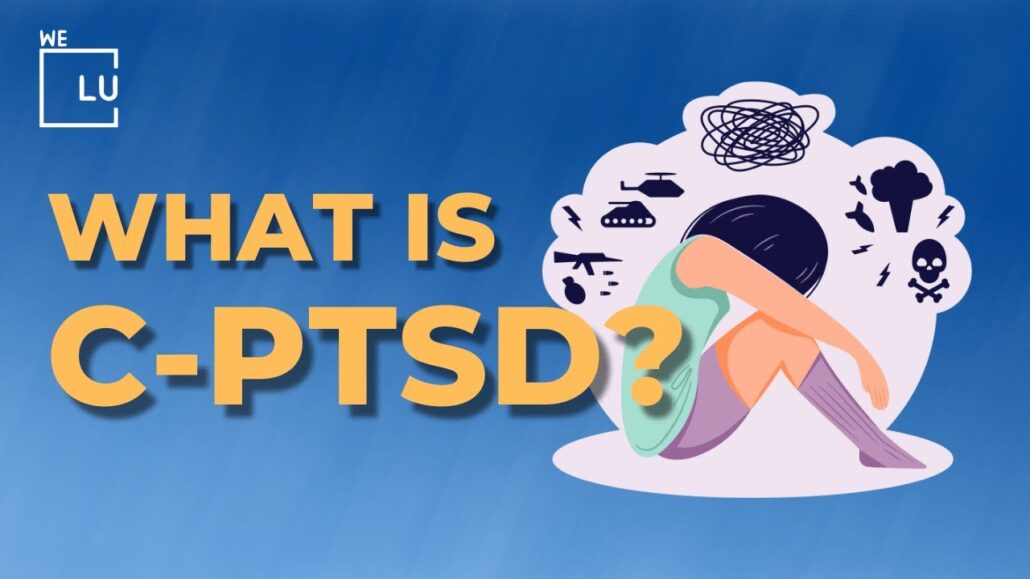
What Is PTSD?
PTSD stands for post-traumatic stress disorder. It is a mental health condition that can happen after someone goes through or sees a very stressful or scary event. It can start soon after the event or show up months or even years later. PTSD affects how a person thinks, feels, and reacts in daily life.
People with PTSD may feel like the trauma is happening again. They may feel strong fear, worry, or stress when something reminds them of what happened. Common causes of PTSD include:
- Physical or emotional abuse
- Military combat
- Serious accidents
- Sexual assault
- Domestic violence
- Natural disasters
- Medical emergencies
- Witnessing violence or death
Not everyone who experiences trauma will develop PTSD, but when it does happen, getting treatment can help people feel better and regain control of their lives.
Signs and Symptoms of PTSD
PTSD symptoms are different for each person. Some people feel strong emotions, while others may avoid reminders of what happened. These symptoms can affect daily life, work, sleep, and relationships.
Emotional symptoms include:
- Anxiety
- Fear
- Anger
- Guilt
- Shame
- Depression
- Feeling numb
Physical symptoms include:
- Trouble sleeping
- Nightmares
- Feeling tired
- Fast heartbeat
- Trouble focusing
- Muscle tension
Behavioral symptoms include:
- Avoiding people or places
- Staying away from reminders of trauma
- Trouble with relationships
- Substance use
- Irritability or anger
PTSD can also happen with anxiety, depression, or substance use. Our dual diagnosis treatment helps treat all conditions together. If you or a loved one is struggling, help is available 24 hours a day, 7 days a week. You can call us at (561) 944-7447 or email verifyadmissions@welevelup.com to speak with our admissions team and get support anytime.
PTSD Fact Sheet
PTSD Overview
A condition marked by an inability to recover after exposure to or seeing a terrible incident.
The syndrome can endure for months or even years, with triggers causing strong emotional and physical reactions and recollections of the event.
Dreams or flashbacks, avoiding circumstances that trigger the trauma, increased sensitivity to stimuli, anxiety, or depression are all possible symptoms. In addition to using drugs to alleviate symptoms, treatment options include various forms of psychotherapy.
PTSD Symptoms
Behavioral: agitation, irritability, hostility, hypervigilance, self-destructive behavior, or social isolation.
Psychological: flashback, fear, severe anxiety, or mistrust.
Mood: loss of interest or pleasure in activities, guilt, or loneliness.
Sleep: insomnia or nightmares.
Also common: emotional detachment or intrusive thoughts.
PTSD Treatments
- Support group: A place where those pursuing the same disease or objective, such as weight loss or depression, can receive counseling and exchange experiences.
- Cognitive behavioral therapy: A conversation treatment that aims to change the negative attitudes, actions, and feelings connected to psychiatric discomfort.
- Counseling psychology: A subfield of psychology that handles issues with the self that are related to work, school, family, and social life.
- Anger management: To reduce destructive emotional outbursts, practice mindfulness, coping skills, and trigger avoidance.
- Psychoeducation: Mental health education that also helps individuals feel supported, validated, and empowered
- Family therapy: psychological counseling that improves family communication and conflict resolution.
Comfortable Facilities & Amenities
High-Quality Mental Health Treatment & Behavioral Health Programs
Mental Health Center TourPremier Mental Health Centers. A Private Oasis. Inpatient Mental Health Rehab Programs Vary.
Mental Health Hotline (888) 680-7311History of recovery success excellence, backed by a Team w/ Record of:
15+
Years of Unified Expertise
100s
5-Star Reviews Across Treatment Centers
10K
Recovery Stories
- Comprehensive Dual-Diagnosis Treatment
- Complimentary Family & Alumni Programs
- Comfortable Onsite Clinical & Recreational Therapy
- Coaching, Recovery & Development Events for Alumni
Our PTSD Treatment Program in West Palm Beach
We do not use the same plan for everyone. Each person is different. That is why we create a personal treatment plan for every client. Our team includes doctors, therapists, nurses, and mental health staff. They all work together to give full care and support.
We use treatments that are proven to work. We help people with recent trauma, long-term PTSD, or other mental health conditions. Our goal is to help you feel safe, stable, and in control again.
What Our PTSD Treatment Program Includes
- 24/7 clinical support
- Personalized treatment plans
- Evidence-based PTSD therapy
- DBT (Dialectical Behavior Therapy)
- CBT (Cognitive Behavioral Therapy)
- EMDR therapy
- Medication management
- Individual therapy
- Group counseling
- Family therapy and education
- Holistic wellness support
- Trauma-informed care
- Dual diagnosis treatment
- Relapse prevention planning
Evidence-Based PTSD Therapies
- We use proven therapies that help people process trauma and feel better.
- EMDR helps people process traumatic memories in a safe and guided way.
- CBT helps people change negative thoughts linked to trauma.
- DBT teaches skills like calming the mind, handling stress, and managing emotions.
Inpatient PTSD Treatment West Palm Beach
Some people need more support when symptoms are severe. Inpatient care can help when PTSD affects daily life.
This may be needed if someone has:
- Severe panic or anxiety
- Flashbacks or nightmares often
- Trouble working or living normally
- Depression or anxiety with PTSD
- Substance use problems
- Safety concerns
Our team checks each person to decide the right level of care. If PTSD is affecting your life, call (561) 944-7447 to learn about your options.
Best-in-class, Accredited, 5-Star Network, Effective Mental Health Dual Diagnosis Therapy. Comprehensive Integrated Inpatient Rehab with Free Post Discharge Therapy Planning.
CALL (888) 680-7311End Emotional Turmoil Rollercoaster. Achieve Stability & Joy Through Recovery Treatment. Initiate Mental Health Counseling Today. Receive Free No-obligation Guidance by Behaviroal Health Therapists Specialy Trained for Mental Health Recovery.

Trauma and PTSD Treatment Florida Residents Can Trust
PTSD affects many parts of life. It can impact work, health, and relationships. That is why we treat the whole person, not just symptoms. Our trauma and PTSD treatment Florida program helps people build coping skills, support systems, and confidence for long-term recovery.
How to Get Started: 3 Easy Steps
1. Call or Fill Out a Form
Call (561) 944-7447 or complete our online form. We are available 24/7 to answer questions, check insurance, and help you take the first step. There is no pressure, and all calls are private.
2. Free Assessment
We take time to learn about your symptoms, history, and needs. This helps us understand what level of care is best for you. The assessment is simple, and you can ask any questions during the process.
3. Start Your Treatment Plan
We build a care plan just for you. Our team supports you from your first day and continues helping you through each step of recovery. You are never alone in this process.
If you are ready to begin, we are here to help.
Visit us at: 310 10th St, West Palm Beach, FL 33401, United States
Call (561) 944-7447 or email verifyadmissions@welevelup.com. Our team is available 24 hours a day, 7 days a week, to support you whenever you are ready.
Improve Your Life
Embark on a free call to our behavioral health program advisors. Explore our dual-diagnosis mental health rehab programs. Each We Level Up treatment center network facility specializes in specific recovery counseling. Call to feel & get better.
- Individualized Care
- Attentive Accountable Team
- First-class Amenities
- Licensed & Accredited
- Recognized 5-Star Network
We’ll Call You
FAQs About PTSD Treatment in West Palm Beach
How long does PTSD treatment take?
PTSD treatment length varies from person to person. Some individuals may notice improvement within a few weeks, while others may require several months or longer. The timeline depends on the severity of symptoms, personal history, and response to therapy. Progress is reviewed regularly so the treatment plan can be adjusted when needed. The goal is steady, sustainable recovery at a pace that supports long-term stability.
What therapies are used for PTSD treatment?
We use evidence-based therapies to treat PTSD, including CBT, DBT, EMDR, individual therapy, group therapy, and medication management when appropriate. Each treatment plan is customized based on the client’s clinical needs. These therapies are designed to help individuals process trauma, regulate emotions, and develop healthier coping strategies. Our clinical team provides structured support throughout the entire process. If you would like more information, call (561) 944-7447 at any time.
Does insurance cover PTSD treatment in West Palm Beach?
Yes, many insurance plans provide coverage for PTSD treatment. We work with major providers such as Aetna, Blue Cross Blue Shield, Cigna, UnitedHealthcare, Humana, Medicaid, Medicare, and Tricare. Coverage varies depending on your specific policy and benefits. Our admissions team can help verify your insurance and explain your options before treatment begins. We aim to make the process as clear and accessible as possible so you can focus on care.
Do you treat patients from nearby cities?
Yes, we serve individuals from across Palm Beach County and surrounding communities. This includes Delray Beach, Boca Raton, Lake Worth Beach, Wellington, Boynton Beach, and Royal Palm Beach. Many clients choose our facility due to its central location and ease of access. You do not need to live in West Palm Beach to receive care. We welcome anyone seeking professional support for PTSD and trauma-related conditions.
Can family members participate in treatment?
Yes, family involvement is an important part of the recovery process. We offer family therapy and educational support to help loved ones better understand PTSD. This allows families to improve communication, reduce conflict, and support recovery in healthier ways. A strong support system often improves long-term treatment outcomes.
What happens after PTSD treatment ends?
Recovery continues after formal treatment concludes. Before discharge, we help each client develop a personalized aftercare plan. This may include ongoing therapy, alumni support programs, and continued coping strategies. The goal is to maintain progress and reduce the risk of relapse. Many individuals continue to grow and stabilize after treatment with the right support systems in place. Our team remains available if additional help is needed in the future.
How to Improve Mental Health? 8 Steps & Tips for Maintaining Your Mental Wellbeing & PTSD Video
8 Steps for Mental Wellbeing & How To Improve Mental Health In The Workplace
- Staying Positive
- Practicing Gratitude
- Taking Care of Your Physical Health
- Connecting With Others
- Developing a Sense of Meaning and Purpose in Life
- Developing Coping Skills
- Meditation
- Relaxation Techniques
Search We Level Up FL “PTSD Treatment in West Palm Beach” Resources
Sources & References
National Institute of Mental Health (NIMH). Post-Traumatic Stress Disorder (PTSD). https://www.nimh.nih.gov/health/topics/post-traumatic-stress-disorder-ptsd
Centers for Disease Control and Prevention (CDC). Coping with Trauma and Stress. https://www.cdc.gov/mentalhealth/learn/index.htm
Florida Department of Health. Palm Beach County Community Health Assessment. https://www.flhealthcharts.gov/ChartsReports/rdPage.aspx?rdReport=ChartsProfiles.PalmBeachCounty
Florida Agency for Health Care Administration (AHCA). Behavioral Health Facility Licensing Standards. https://ahca.myflorida.com/
The Joint Commission. Behavioral Health Care Accreditation Standards. https://www.jointcommission.org/
Commission on Accreditation of Rehabilitation Facilities (CARF). Behavioral Health Accreditation Standards. https://www.carf.org/