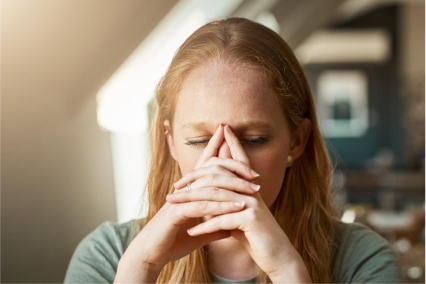
Depression can feel heavy and confusing. You may wake up tired even after sleeping all night. You may lose interest in things you once enjoyed. Some days it may feel hard to talk, work, or even get dressed. If you feel this way, please know you are not alone.
Learning how to cope with depression can help you take back control of your life. With the right support, healthy habits, and professional care, healing is possible. In this guide, I will walk you through simple steps and coping with depression strategies that can help you or someone you love feel better.
What Depression Really Feels Like
Depression is more than feeling sad for a few days. It is a mental health condition that affects your thoughts, feelings, and energy. It can make simple tasks feel overwhelming and drain your motivation.
Many people experience low mood, guilt, hopelessness, or numbness. Some people sleep too much, while others cannot sleep at all. Changes in appetite and trouble focusing are also common. Managing depression symptoms begins with understanding what is happening in your body and mind.
Why Learning How to Cope With Depression Matters
When depression goes untreated, it can grow stronger over time. It may affect your work, school, relationships, and physical health. Learning emotional coping skills helps you handle hard moments in a healthier way.
Knowing how to cope with depression gives you tools you can use each day. These depression self-help tools work best when combined with therapy or medical care. Professional treatment adds structure and guidance to your recovery.
The sooner you begin using healthy coping methods, the sooner you may start to feel small improvements.

Skip To:
Get Help. Feel Better. Break-Free.
Premier Accredited Dual Diagnosis Mental Health Centers Near You
No matter past therapy challenges, our dedicated therapists provide unwavering support. Our compassionate behavioral health specialists are committed to standing by your side through it all. When you are prepared to take the next step or want guidance on counseling to transform your life, reach out. We will help guide you to the resources you need for support. There is no pressure or obligation. Call our confidential hotline today.
FREE 24/7 Dual Diagnosis Mental Health Therapy Helpline
Daily Habits That Support Healing
Create a Simple Daily Routine
Depression can remove structure from your day. Creating a gentle routine helps your brain feel safer and more stable. Try waking up at the same time each morning and setting small goals.
Start with simple tasks like brushing your teeth, eating breakfast, or opening a window for fresh air. Completing small steps builds confidence and momentum. Over time, these actions support managing depression symptoms. You do not need a perfect routine. You only need one small step at a time.
Move Your Body in Gentle Ways
Exercise is one of the most helpful coping strategies with depression. Physical movement releases chemicals in the brain that improve mood and reduce stress. You do not need intense workouts to feel benefits. A short walk outside, light stretching or simple yoga can improve energy levels. Try moving your body for at least ten to twenty minutes a day. Consistency matters more than intensity. Small movements each day can slowly lift your mood.
Managing Negative Thoughts
Depression often brings harsh thoughts. You may think you are not good enough or that things will never improve. These thoughts can feel very real and convincing. Learning emotional coping skills helps you question these thoughts. When a negative idea appears, pause and ask yourself if it is completely true. Try replacing it with a kinder and more balanced thought.
For example, instead of saying, “I always fail,” try saying, “I am having a hard time, but I am trying my best.” Changing thoughts takes practice, but it can reduce the power of depression over time.
Healthy Emotional Coping Skills
Emotional coping skills help you manage strong feelings without harming yourself. These tools give you safe ways to express emotions.
Some helpful skills include:
- Writing in a journal
- Taking slow, deep breaths
- Listening to calming music
- Drawing or creating art
- Talking to a trusted friend
Using depression self-help tools regularly can improve emotional balance. These skills work best when practiced often, not only during crisis moments. Healthy coping skills give you a sense of control when emotions feel overwhelming.
The Importance of Connection
Depression often makes people withdraw from others. You may cancel plans or avoid answering calls. While isolation feels easier at first, it can increase sadness over time. Try reaching out to one safe person. This could be a family member, friend, or support group. Even a short conversation can remind you that you are cared for and valued.
If speaking feels difficult, send a simple message. Human connection plays a powerful role in coping with depression.

Conquer Emotional Pain. Find Peace, Purpose & Happiness.
Experiencing depression, anxiety, or grappling with mental health challenges? Get compassionate and effective dual diagnosis therapy from our caring counselors in a safe and comfortable environment. Take the first step towards your recovery today.
Hotline (888) 680-7311When to Seek Professional Help
Signs You Need Extra Support
Sometimes depression becomes too heavy to manage alone. If you feel hopeless most days or struggle to function, professional care may be necessary. Warning signs include thoughts of self harm, extreme fatigue, loss of interest in everything or major changes in sleep and appetite. These symptoms should not be ignored. Seeking help shows strength and courage. You deserve support during difficult times.
Treatment Options That Work
Professional treatment may include therapy, medication, or both. Therapy helps you build coping with depression strategies for depression in a safe setting. Medication can help balance chemicals in the brain for some people. Common therapy types include cognitive behavioral therapy and group therapy. These approaches teach emotional coping skills and practical tools.
Treatment centers often combine therapy with lifestyle support for complete care. Working with trained providers increases your chances of recovery.
Comfortable Facilities & Amenities
High-Quality Mental Health Treatment & Behavioral Health Programs
Mental Health Center TourPremier Mental Health Centers. A Private Oasis. Inpatient Mental Health Rehab Programs Vary.
Mental Health Hotline (888) 680-7311History of recovery success excellence, backed by a Team w/ Record of:
15+
Years of Unified Expertise
100s
5-Star Reviews Across Treatment Centers
10K
Recovery Stories
- Comprehensive Dual-Diagnosis Treatment
- Complimentary Family & Alumni Programs
- Comfortable Onsite Clinical & Recreational Therapy
- Coaching, Recovery & Development Events for Alumni
Lifestyle Changes That Help Recovery

Healthy habits support emotional healing. Eating balanced meals gives your body energy. Drinking enough water helps brain function and mood. Sleep also plays an important role in managing depression symptoms. Try to go to bed and wake up at the same time each day. Limit screen time before sleep to improve rest.
Avoid alcohol or drug use, as these can worsen depression. If substance use is present, integrated treatment may be needed to address both issues together.
Best-in-class, Accredited, 5-Star Network, Effective Mental Health Dual Diagnosis Therapy. Comprehensive Integrated Inpatient Rehab with Free Post Discharge Therapy Planning.
CALL (888) 680-7311End Emotional Turmoil Rollercoaster. Achieve Stability & Joy Through Recovery Treatment. Initiate Mental Health Counseling Today. Receive Free No-obligation Guidance by Behaviroal Health Therapists Specialy Trained for Mental Health Recovery.
Supporting a Loved One With Depression
If someone you love is struggling, your support can make a difference. Listen calmly without judging or rushing them. Avoid giving quick solutions unless they ask for advice. Encourage them to seek professional care if symptoms continue. Offer to help them schedule appointments or attend visits for support. Small acts of kindness can mean a lot.
Remember to protect your own mental health as well. Supporting someone else works best when you also care for yourself.

Building Long-Term Strength
Recovery is not always fast, and progress may come in small steps. Some days will feel easier than others. Celebrate small victories and forgive yourself during setbacks. Keep practicing depression self-help tools and emotional coping skills. Stay connected to supportive people and professionals. Over time, these habits build resilience and emotional strength.
Learning how to cope with depression is a journey. With patience and support, healing is possible..
Improve Your Life
Embark on a free call to our behavioral health program advisors. Explore our dual-diagnosis mental health rehab programs. Each We Level Up treatment center network facility specializes in specific recovery counseling. Call to feel & get better.
- Individualized Care
- Attentive Accountable Team
- First-class Amenities
- Licensed & Accredited
- Recognized 5-Star Network
We’ll Call You
Frequently Asked Questions
What is the best way to cope with depression?
The best way is to combine daily healthy habits, emotional coping skills, and professional treatment when needed.
Can depression go away without treatment?
Mild symptoms may improve but ongoing depression often needs therapy or medical support.
How long does it take to feel better?
Recovery time is different for everyone. Some people feel better in weeks, while others need longer support.
Are depression self-help tools enough?
Self help tools can reduce symptoms, but professional care provides deeper healing for moderate or severe depression.
What should I do if I feel hopeless?
Reach out to a trusted person or mental health provider right away. You deserve immediate support.
How can I help someone coping with depression?
Listen with patience, encourage treatment and offer steady support without judgment.
Take a Step Forward
Learning how to cope with depression takes time, care and support. Small daily habits, healthy coping strategies, and strong emotional coping skills can reduce symptoms and build hope. Managing depression symptoms becomes easier when you combine self help tools with professional treatment. You do not have to face this alone. If you or someone you love is struggling, reach out today. Our compassionate team is ready to guide you toward healing and help you take the first step toward a healthier, brighter future.